
Innovative Products Inspired by AI
JJ Kent® is a venture-backed technology company based in Austin, Texas. We use proprietary artificial intelligence tools to create and shape new products that delight consumers.
Our Process
JJ Kent is an AI-driven e-commerce company created and led by professionals who have collaborated on data-driven business technology solutions for more than three decades. Our algorithm sits atop an enormous data warehouse of ever-evolving e-commerce data. Using this data, JJ Kent analyzes more than one billion data points to determine product selection. Factors include analysis of the competitive space, customer feedback, and potential room for product differentiation and improvement.
1
Discover
JJ Kent uses AI to scour millions of potential products for those capable of out-performing e-commerce competitors in a given product space.

2
Rank
The algorithm ranks potential products based on 130 different vectors to predict product success and competitiveness.

3
Develop
Taken together, JJ Kent uses this data to pinpoint key opportunities to differentiate, create and/or improve products able to compete and dominate.

4
Manufacture
Harnessing the power of proprietary AI tools, JJ Kent works with US-based product designers to craft groundbreaking products that enchant and captivate consumers.


Featured Products
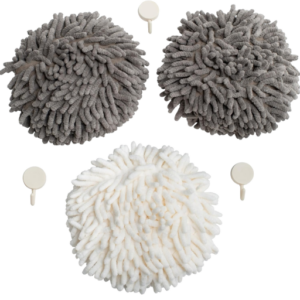
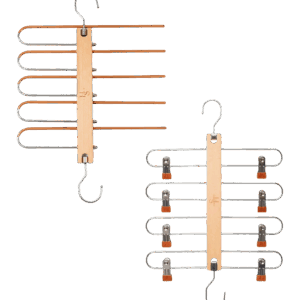
Check out our current roster.


Designed
in Texas

Trusted by
